Qwen Image 3 image to image
Use a reference image to direct a Qwen Image 3 variation.
Start with an image you are allowed to use when the new result needs a clear subject, layout, or visual direction. Add a concise instruction about what should remain and what should change, then select the Qwen Image 3 output controls.
- Start with
- An approved reference image
- Direct
- What to keep and change
- Output
- 1K or 2K in eight fixed frames
Plan the reference and the next direction separately
These verified local examples show the subject, material, environment, and composition cues that can establish a starting point. They are not presented as input-output pairs.
Every card identifies whether it is a verified model-family example or a visual reference. Reference cards are not model benchmarks or before-and-after claims.
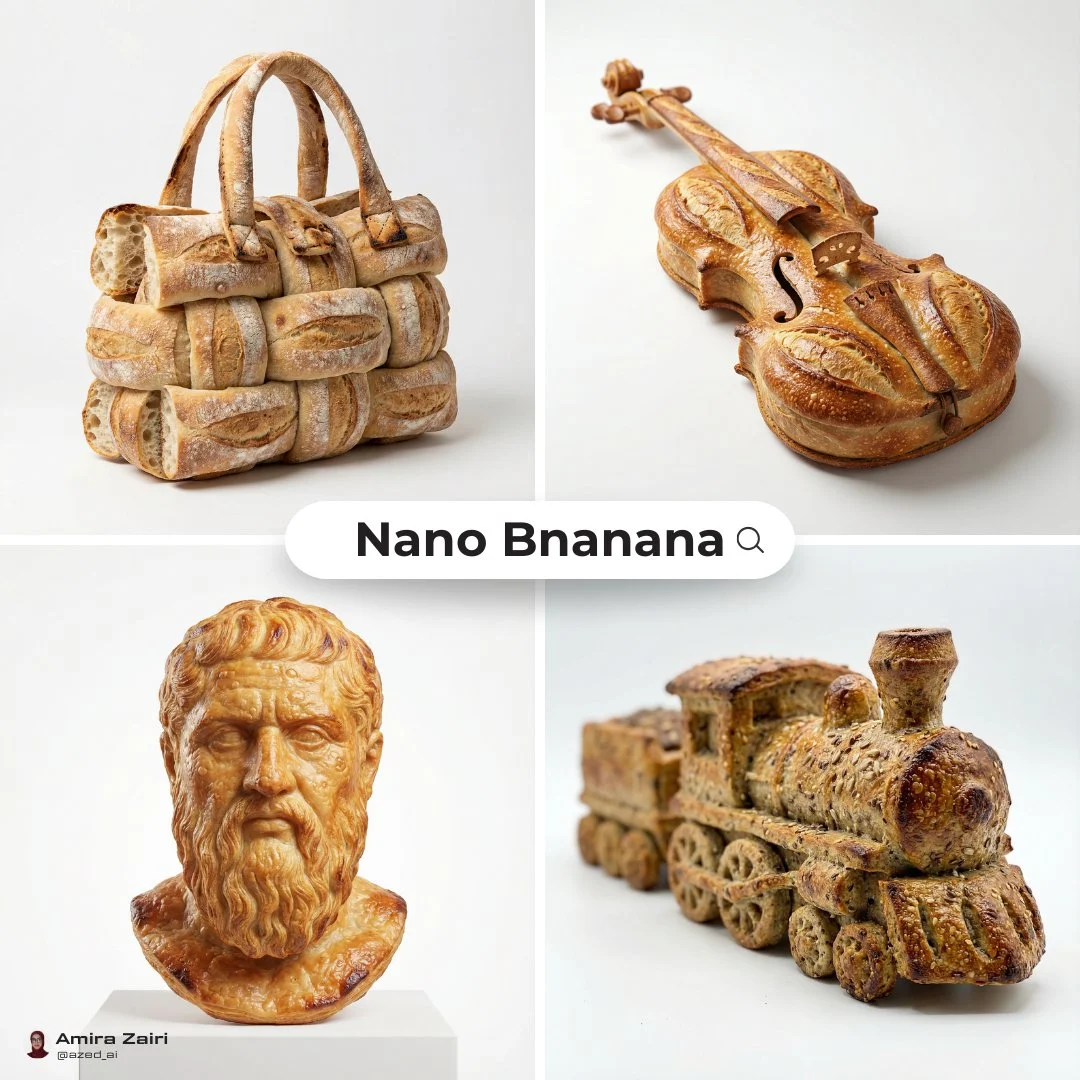
Object silhouette cues
Use the reference to establish the object outline and material treatment before writing a new scene.
Verified model-family example
Verified Nano Banana family example from the local ImageStyle prompt library.
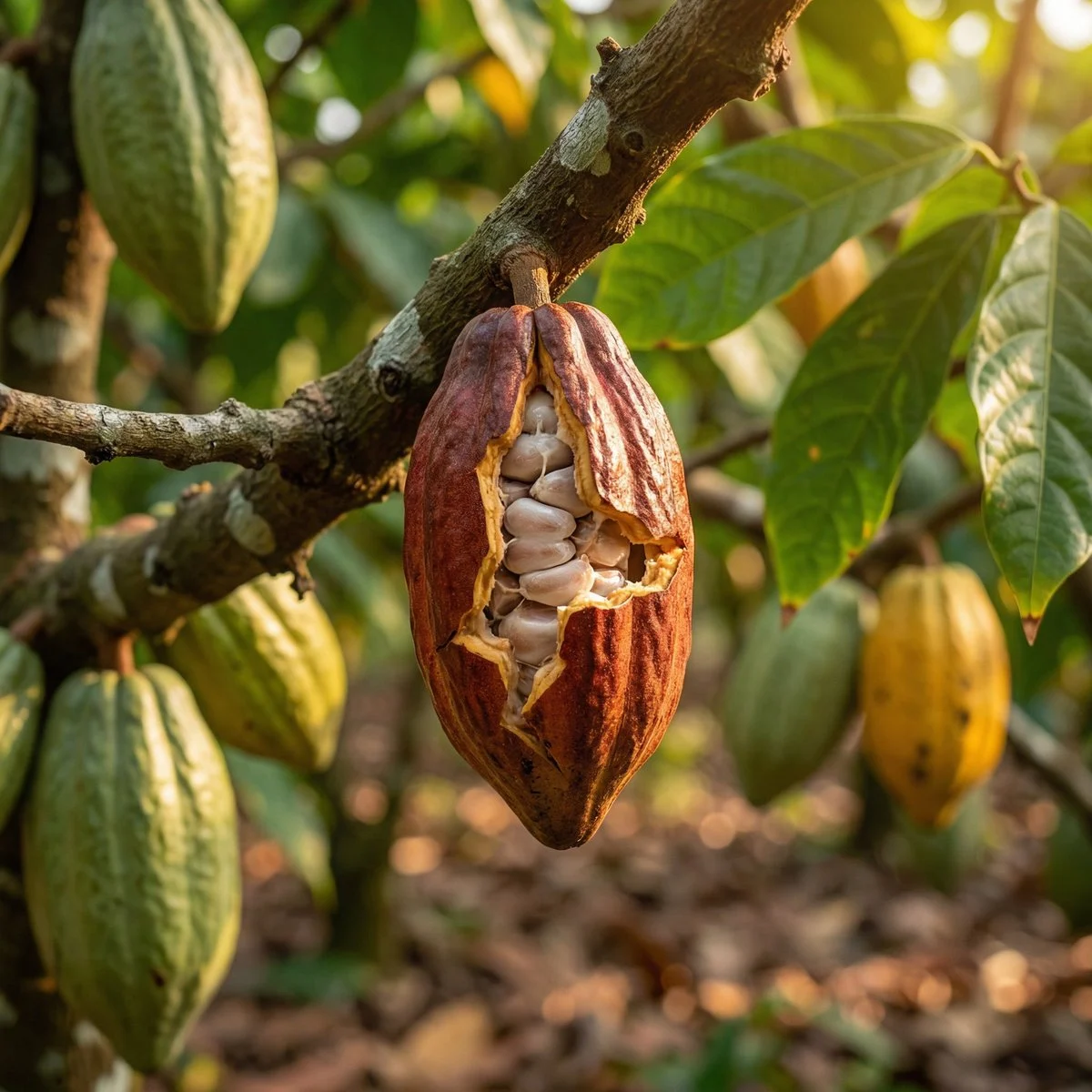
Environment texture cues
Use an approved source to anchor the material, environment, and close-up details that matter.
Verified model-family example
Verified Nano Banana family example from the local ImageStyle prompt library.
Composition cues
Use a reference to establish layout relationships without assuming the next image is a copy of it.
Verified model-family example
Verified Nano Banana family example from the local ImageStyle prompt library.
What Qwen Image 3 image editing can help direct
A stable starting composition
Use a reference when the position, point of view, or core subject should inform the next image.
An explicit change request
Separate the parts to preserve from the parts to replace, restyle, or add.
A reviewable result
Review whether the reference-guided details held before relying on the result for product or brand work.
How to use Qwen Image 3 image to image
Reference-led editing works best when the image gives a clear visual starting point and the instruction names only the intended change.
- 1
Choose an approved reference
Upload an image you can use and make sure it clearly shows the composition or detail that should guide the result.
- 2
State what stays and what changes
Name the elements to preserve, then describe the new setting, material, color, or treatment.
- 3
Set output and inspect the variation
Choose a 1K or 2K output and a fixed frame, then check important details before using the new image.
What to check before using a Qwen Image 3 result
- The selected workflow controls the input
- Qwen Image 3 and Qwen Image 3 Pro accept either a text direction or approved reference images. Output is currently available at 1K or 2K with eight fixed frames.
- Inspect details that need to stay accurate
- Treat each output as a new image. Review product details, text, proportions, and the elements a prompt or reference was intended to preserve.
- Use only publishable source material
- Upload reference images only when you have the rights to use them, and review the generated result before publishing it.
Qwen Image 3 image to image FAQ
- Can Qwen Image 3 use a reference image?
- Yes. When approved reference images are attached, ImageStyle routes the standard Qwen Image 3 workflow to its image-to-image endpoint.
- How should I write an image-to-image instruction?
- First say what should remain from the reference, then name the specific change. A short change request is easier to assess than a prompt that replaces every part of the source.
- Will the result keep every detail of the reference?
- No. Generated images can vary, so inspect product details, text, shapes, and any other requirement before publishing.
- Does using a reference image cost the same?
- The provider bills each supplied source image separately. Review the current workspace pricing before generating.
Updated:
Capability source: Current ImageStyle Qwen Image 3 workspace.